See InsideWatchesUpdated
Build your own Rolex Daytona in 3D and see the movement inside
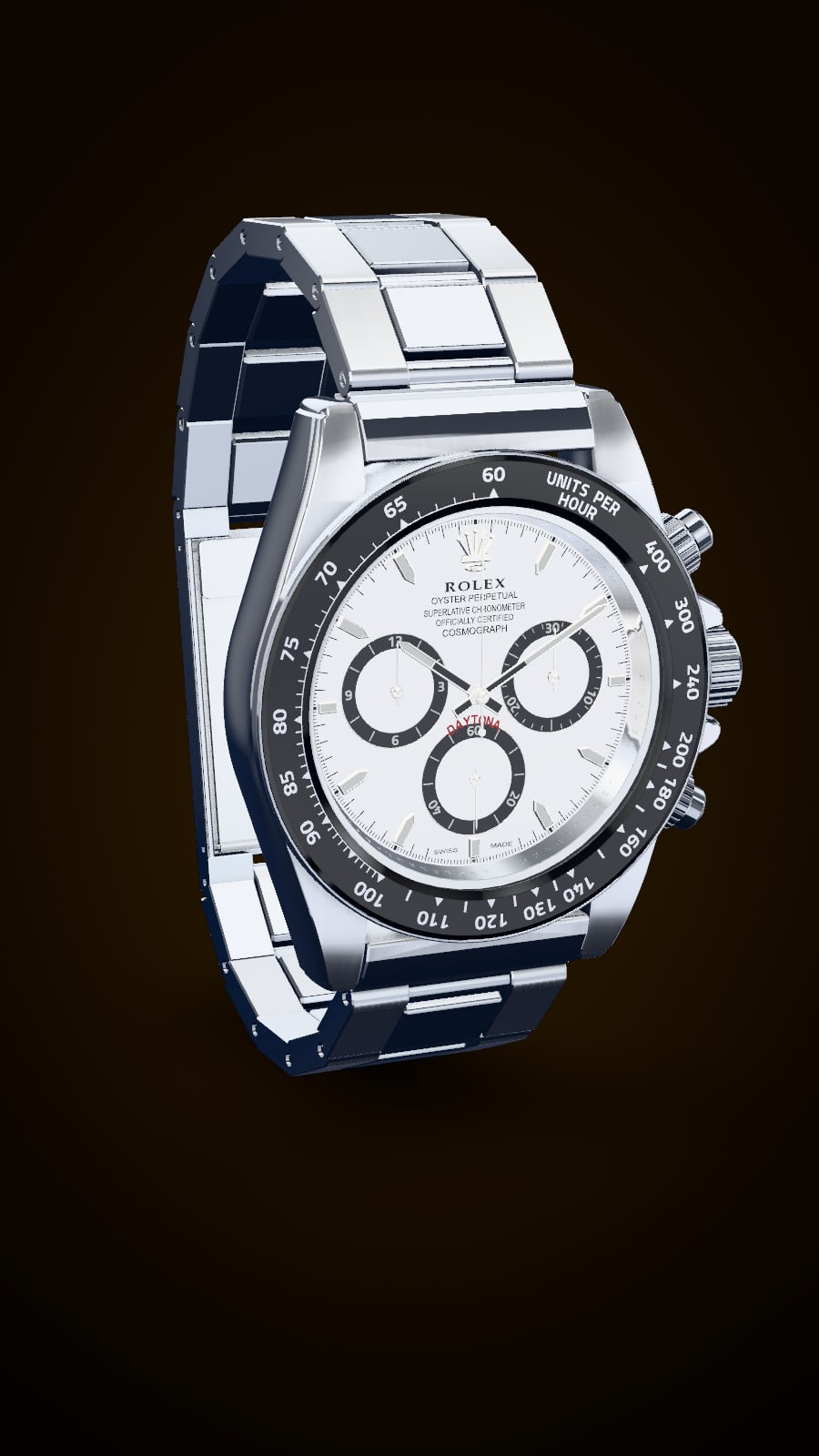
The Rolex Cosmograph Daytona is Rolex’s racing chronograph, launched in 1963 for professional drivers. Today’s steel Panda, reference 126500LN, has a 40 mm Oystersteel case, a black Cerachrom tachymeter bezel and Rolex’s own self-winding calibre 4131 inside, which runs for 72 hours on a full wind. Turn it, X-ray it and take it apart above, then start, stop and reset the chronograph and watch the column wheel, the clutch and the hammer at work. Build it as a Panda, a John Mayer, a Rainbow or a full bust down, and put your name on it.
How it works, step by step
Follow the Rolex Daytona from the outside in. Each step is something you can see happen in the 3D view above.
72 hours in the mainspring
Winding coils a long spring inside a large drum called the barrel. Fully wound, it runs the Daytona for 72 hours, three full days off the wrist.
The gear train
The barrel drives a chain of wheels, each turning faster than the one before. The center wheel turns once an hour for the minute hand, and the seconds wheel turns once a minute and carries the small seconds hand at 6 o’clock.
The Chronergy escapement
The escapement lets the spring’s energy out one tooth at a time, and each release is a tick. Rolex’s Chronergy escapement, in nickel-phosphorus with an openworked escape wheel, is built for high energy efficiency and resists strong magnetic fields.
Balance and Parachrom hairspring
A large balance wheel swings back and forth on a blue Parachrom hairspring, which Rolex makes in-house from a paramagnetic alloy built to resist magnetic fields and shocks. It beats 28,800 times an hour, fine-tuned by four gold Microstella nuts and cushioned by Paraflex shock absorbers.
The Perpetual rotor
A cut-out weight called the rotor spins on a ball bearing with every move of your wrist. Rolex’s red reversing wheels turn its swing in either direction into winding for the mainspring.
The column wheel
Each press of the 2 o’clock pusher turns the column wheel, a small wheel crowned with tiny columns, by one step. As the columns pass under the levers, they tell the chronograph to start or to stop.
The vertical clutch
Just above the 6 o’clock counter sits the vertical clutch, two discs stacked on one axle. Starting the chronograph presses them together, so the center seconds hand moves off the instant you press, without a jump.
Three counters
The small seconds at 6 o’clock runs all the time. Once a minute a finger on the clutch moves the 30-minute counter at 3 o’clock on by one mark, and the 12-hour counter at 9 o’clock follows through its own train of wheels.
Hammer and hearts
With the chronograph stopped, the pusher at 4 o’clock drives one hammer plate onto three heart-shaped cams at once. Each heart turns its hand back to zero, and all three hands snap home together.
The tachymeter bezel
The scale on the black Cerachrom bezel turns time into speed. Time one mile or one kilometer with the chronograph, and the seconds hand points to your speed in units per hour.
The parts inside the Rolex Daytona
- Case and Cerachrom bezel
- A 40 mm Oystersteel case, water resistant to 100 meters, under a black ceramic tachymeter bezel framed in polished steel.
- Sapphire crystal
- Flat, scratch-resistant sapphire over the dial.
- Dial and counters
- The white Panda dial with three black counter rings, 18k white gold hour markers and a red DAYTONA over the counter at 6.
- Hands
- Hour, minute and chronograph seconds hands, with Chromalight on the hour and minute hands that glows blue in the dark.
- Triplock crown and pushers
- A screw-down crown with a triple seal, and two screw-down pushers: start and stop at 2 o’clock, reset at 4.
- Caseback
- Screw-down solid Oystersteel with a finely fluted edge, ready for your engraving.
- Oyster bracelet and Oysterlock clasp
- Solid three-piece links, brushed outside and polished in the center, closed by a folding safety clasp that stays shut, with a 5 mm Easylink extension.
- Mainspring and barrel
- The long coiled spring in its drum that stores 72 hours of running.
- Gear train
- The center, third and seconds wheels that carry power to the hands and the escapement.
- Chronergy escapement
- A nickel-phosphorus escape wheel and pallet fork that release the energy one tooth at a time.
- Balance and Parachrom hairspring
- A large balance with gold Microstella nuts on a blue Parachrom hairspring, beating 28,800 times an hour in Paraflex shock absorbers.
- Perpetual rotor
- The cut-out weight on a ball bearing that winds the mainspring through red reversing wheels.
- Column wheel and vertical clutch
- The column wheel decides start or stop, and the vertical clutch couples the chronograph to the movement by friction.
- Hammer and hearts
- One hammer plate with three faces that strikes three heart-shaped cams and resets all three chronograph hands at once.
Rolex Daytona questions
Straight answers about the Rolex Daytona and what happens inside it.
See inside more productsWhat movement is in the Rolex Daytona?
The current Rolex Daytona runs on calibre 4131, Rolex’s own self-winding chronograph movement, launched in 2023. It beats 28,800 times an hour, runs for 72 hours, carries the Chronergy escapement and is a Superlative Chronometer, accurate to two seconds a day either way. From 2000 to 2023 the Daytona used calibre 4130, and from 1988 a Zenith El Primero that Rolex reworked as calibre 4030.
What do the three subdials on a Rolex Daytona do?
The subdial at 6 o’clock on a Rolex Daytona shows the running seconds and turns whenever the watch runs. The subdial at 3 o’clock counts the chronograph’s minutes up to 30, and the one at 9 o’clock counts its hours up to 12. The long center hand is the chronograph’s seconds, so the Daytona times anything up to 12 hours.
How does a chronograph work?
A chronograph is a watch with a stopwatch built in, and in the Rolex Daytona three parts run it. The pusher at 2 o’clock turns a column wheel that tells the levers to start or stop, and a vertical clutch presses two discs together, so the center seconds hand starts without a jump. The pusher at 4 o’clock sends a hammer onto heart-shaped cams that reset the chronograph hands.
What is a tachymeter, and how do you read it?
A tachymeter is a scale that turns elapsed time into speed, and on the Rolex Daytona it is molded into the bezel. Start the chronograph as you pass one marker and stop it at the next mile or kilometer, and the seconds hand points to your average speed in units per hour. A mile in 36 seconds reads 100, which is 100 miles per hour.
What is a Panda Daytona?
A Panda Daytona is a steel Rolex Daytona with a white dial and black subdial rings, black and white like a panda. Today’s Panda is reference 126500LN, with a black Cerachrom bezel, and before it came reference 116500LN from 2016. The Reverse Panda turns the colors around, with a black dial and silver rings, and you can build both in 3D above.
Why is it called the John Mayer Daytona?
The John Mayer Daytona is the 18k yellow gold Rolex Daytona with a green dial, reference 116508, named after the musician John Mayer, who praised it on Hodinkee’s Talking Watches video series. Collectors picked up the name and it stuck. In 2025 Rolex brought the green dial back in yellow gold as reference 126508, with gold-toned subdials, and collectors call it the new John Mayer.
What is the Rainbow Daytona?
The Rainbow Daytona is a gold Rolex Daytona with 36 baguette-cut sapphires on the bezel, graded through the colors of the rainbow, and matching sapphire hour markers on the dial. The Rainbow is factory set, which means Rolex set every stone itself. The Everose version, reference 116595RBOW, in Rolex’s own pink gold, adds 56 diamonds on the lugs and crown guards.
What is a Paul Newman Daytona?
A Paul Newman Daytona is a vintage hand-wound Rolex Daytona from the 1960s and 1970s with an exotic dial, which means contrasting subdials, square-tipped subdial marks and Art Deco numerals. Collectors named it after the actor, who wore one while racing. His own reference 6239 was a gift from his wife, Joanne Woodward, and its caseback is engraved DRIVE CAREFULLY ME.
What is a Platona Daytona?
Platona is collectors’ slang for the platinum Rolex Daytona, with its ice blue dial and chestnut brown Cerachrom bezel. Rolex first made the platinum Daytona in 2013 as reference 116506, fifty years after the first Daytona. Today’s reference 126506 adds a sapphire caseback, so you can watch calibre 4131 and its 18k yellow gold rotor at work, just as you can in 3D above.
What does bust down mean on a Rolex?
A bust down Rolex is one a jeweler has taken apart and set with diamonds on the case, bezel, dial and bracelet. Iced out means covered in diamonds, fully flooded means every surface is set, and factory set is the other road, with stones Rolex sets itself, as on the Rainbow. Purists keep theirs Plain Jane, the bust-down crowd wants it all iced, and you can build both above.
What is a Plain Jane Rolex?
A Plain Jane Rolex is one with no diamonds at all, exactly as it left the factory. The phrase runs through rap and through the jeweler videos that set a Plain Jane beside a bust down and let viewers pick a side. On the 3D Daytona above you can switch between Plain Jane and fully iced, then send both versions to your friends and see which side they take.
How big is the Rolex Daytona?
The Rolex Daytona measures 40 mm across, not counting the crown and pushers. The current reference 126500LN is 11.9 mm thick, just under 48 mm from lug tip to lug tip and 20 mm between the lugs, and it is water resistant to 100 meters. Its 2023 case is half a millimeter thinner than the one before, with broader, symmetrical lugs.
What is Cerachrom?
Cerachrom is Rolex’s name for the ceramic bezel inserts it makes itself. Cerachrom is highly scratch-resistant, cannot corrode and keeps its color in sunlight. On the Rolex Daytona the tachymeter numbers are molded into the black ceramic and coated with platinum, and on today’s reference 126500LN a thin polished steel rim frames the bezel.
What is Oystersteel?
Oystersteel is Rolex’s steel, a 904L grade rich in chromium and molybdenum that resists corrosion and keeps its shine once polished. The gold Daytonas use Rolex’s 18k alloys, including Everose, its own pink gold, introduced in 2005 and cast in Rolex’s foundry. Many gold Daytonas wear the Oysterflex, a bracelet built on flexible metal blades under black elastomer.
Can you engrave or customize a Rolex?
Yes, and some of the most famous Rolexes are personalized. Paul Newman’s own Daytona carries DRIVE CAREFULLY ME on its caseback, a message from his wife, and Domino’s Pizza put its logo on the dials of the Rolex Air-Kings it awarded to its franchise owners. On this page you can put your logo or name on the Daytona’s dial, under ROLEX, or engrave it on the caseback.
Why is it called the Rolex Daytona?
The Rolex Daytona is named after Daytona Beach, Florida, where racing flourished in the early 20th century. Rolex became the official timekeeper of Daytona International Speedway in 1962 and launched the Cosmograph Daytona in 1963 for professional racing drivers, which is why it carries a tachymeter bezel for timing speed. Screw-down pushers followed in 1965 with reference 6240.
How does an automatic watch work?
An automatic watch like the Rolex Daytona is a mechanical watch that winds itself as your wrist moves, with no battery. Inside calibre 4131 the Perpetual rotor spins with every move of your wrist and winds the mainspring, which stores 72 hours of running. The spring turns the gears, the Chronergy escapement lets the energy out in even steps, and a balance beating 28,800 times an hour keeps the time.
How does a mechanical watch work?
A wound mainspring turns a train of gears, an escapement releases that energy in small, equal steps, and a balance wheel swinging at a fixed rate controls the timing. In the Rolex Daytona’s calibre 4131 the balance beats 28,800 times an hour, and 47 jewels, synthetic rubies, hold the pivots so the parts turn with very little friction. The gears turn the hands at exactly the right speed.
What does the escapement do in a watch?
The escapement turns the steady push of the mainspring into regular ticks. In the Rolex Daytona, the pallet fork of the Chronergy escapement locks and releases the escape wheel one tooth at a time and gives the balance a small push with each of its 28,800 beats an hour. Both are made of nickel-phosphorus, which resists strong magnetic fields.
Sources
- Cosmograph Daytona, Oystersteel, m126500ln-0001Rolex
- Cosmograph Daytona, platinum, m126506-0001Rolex
- The new Oyster Perpetual Rolex Cosmograph Daytona: an icon defying time (Rolex press text)La Cote des Montres
- OystersteelRolex
- Timepiece with a chronograph mechanism (EP0772104A1)Rolex, via Google Patents
- Insight: High-Tech LIGA Within the Rolex Daytona Cal. 4130SJX Watches
- Explained: The Vertical Clutch of a ChronographSJX Watches
- Review: Everything There’s To Know About the New Steel Rolex Daytona 126500LNMonochrome
- Rolex Cosmograph Daytona ref. 126500 watch reviewTime+Tide
- From Pandas to Pepsi: A Guide to Rolex NicknamesSotheby’s
- Rolex Daytona Rainbow Everose Gold 116595RBOW reviewMonochrome
- Paul Newman’s Legendary ‘Paul Newman’Phillips
- Pre-Owned Picks: 4 Rolex Air-Kings With Co-Branded Watch DialsFratello
- Rolex Cosmograph DaytonaWikipedia
- Tachymeter (watch)Wikipedia
Customize it
Put your logo or your name on the dial, right under ROLEX, or engrave it on the caseback. Pick your look, from Panda to full bust down, then share your Daytona as a short video or a link. Whoever opens it can start the chronograph and take it apart too.
- 1Type your name, or a website and we find its logo
- 2Pick the engraving style, the finish and the color
- 3Share your link, a picture or a short video
See inside more products
iPhone 17 Pro
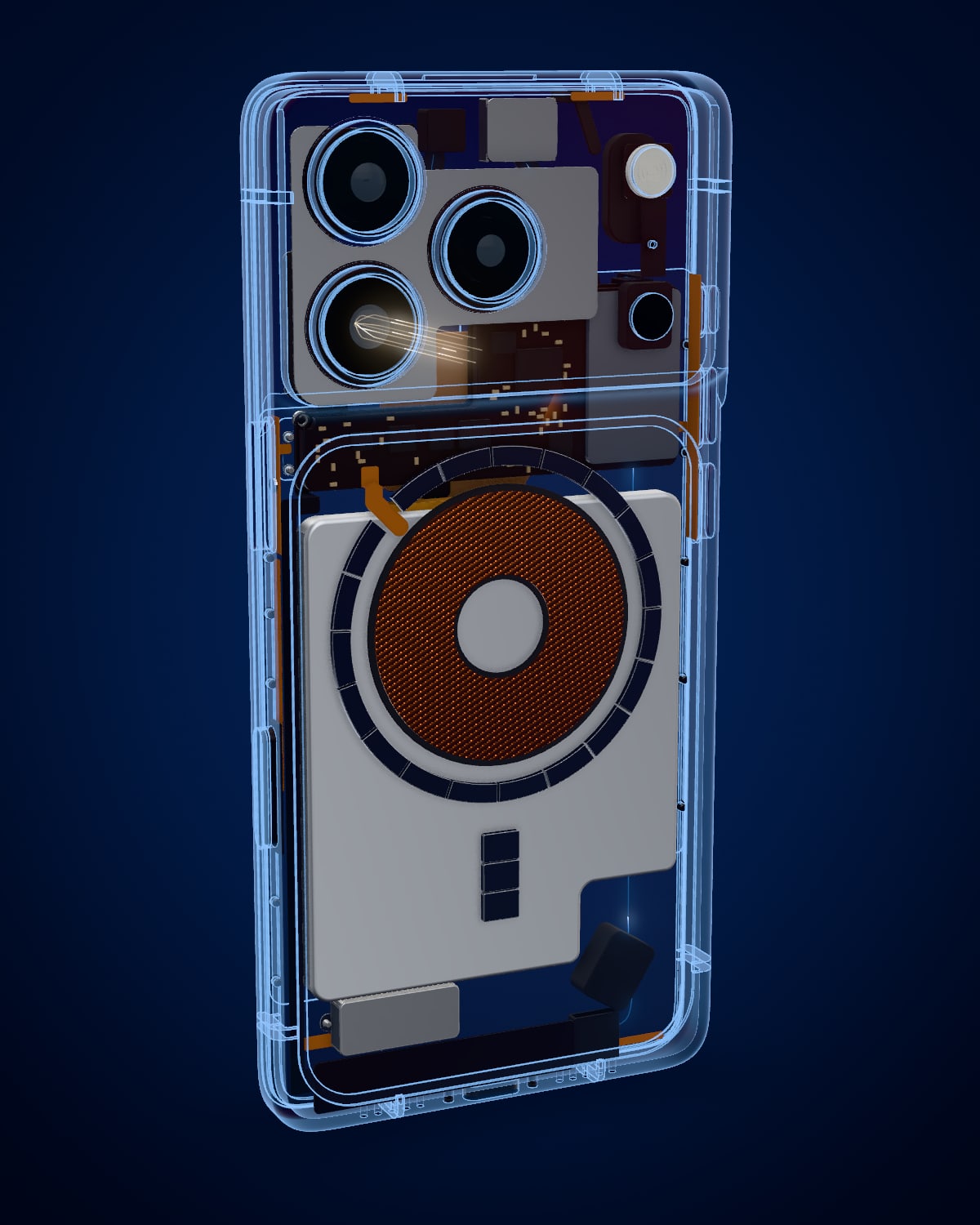
What’s inside an iPhone 17 Pro?See inside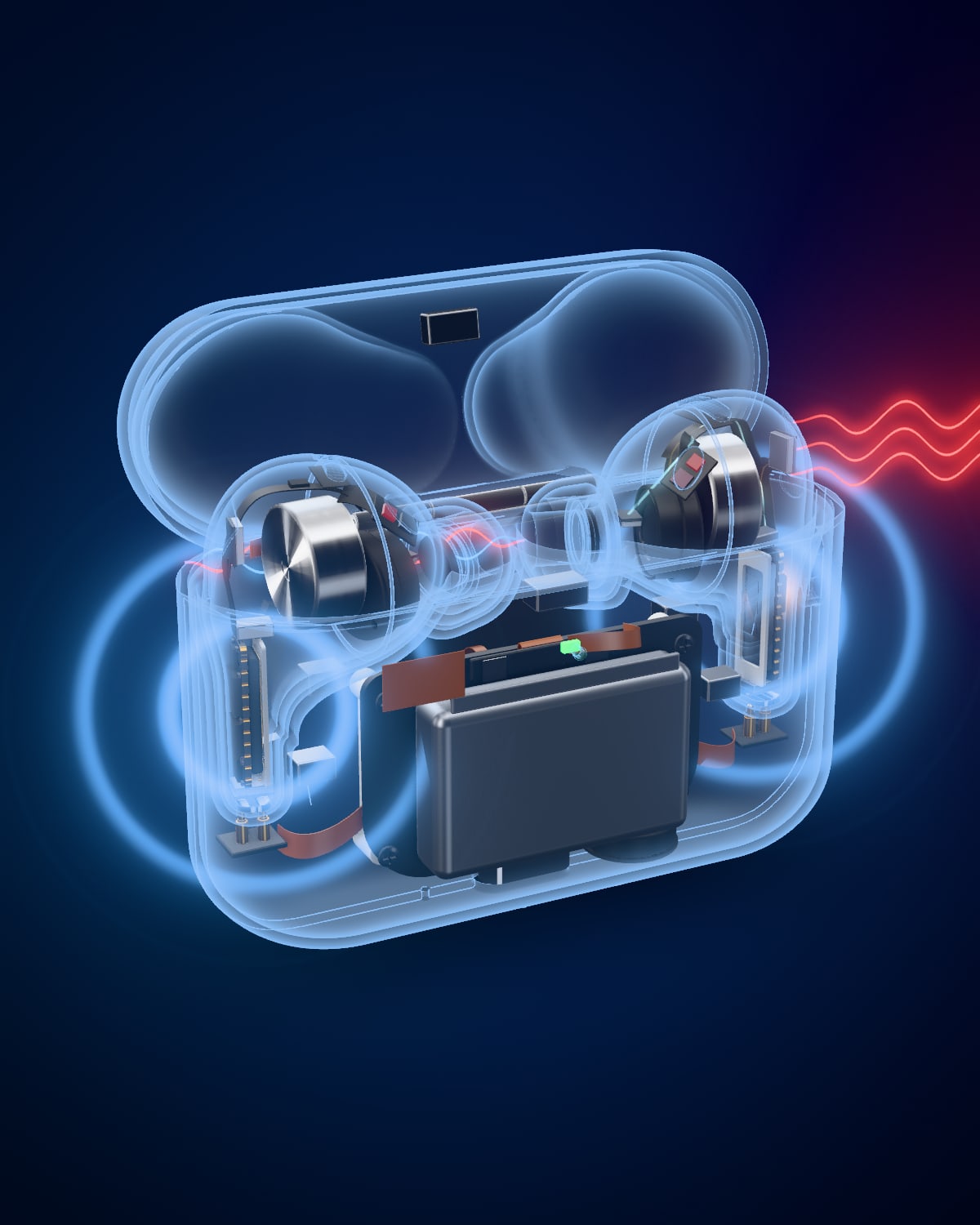
AirPods Pro
How does noise cancelling work?See inside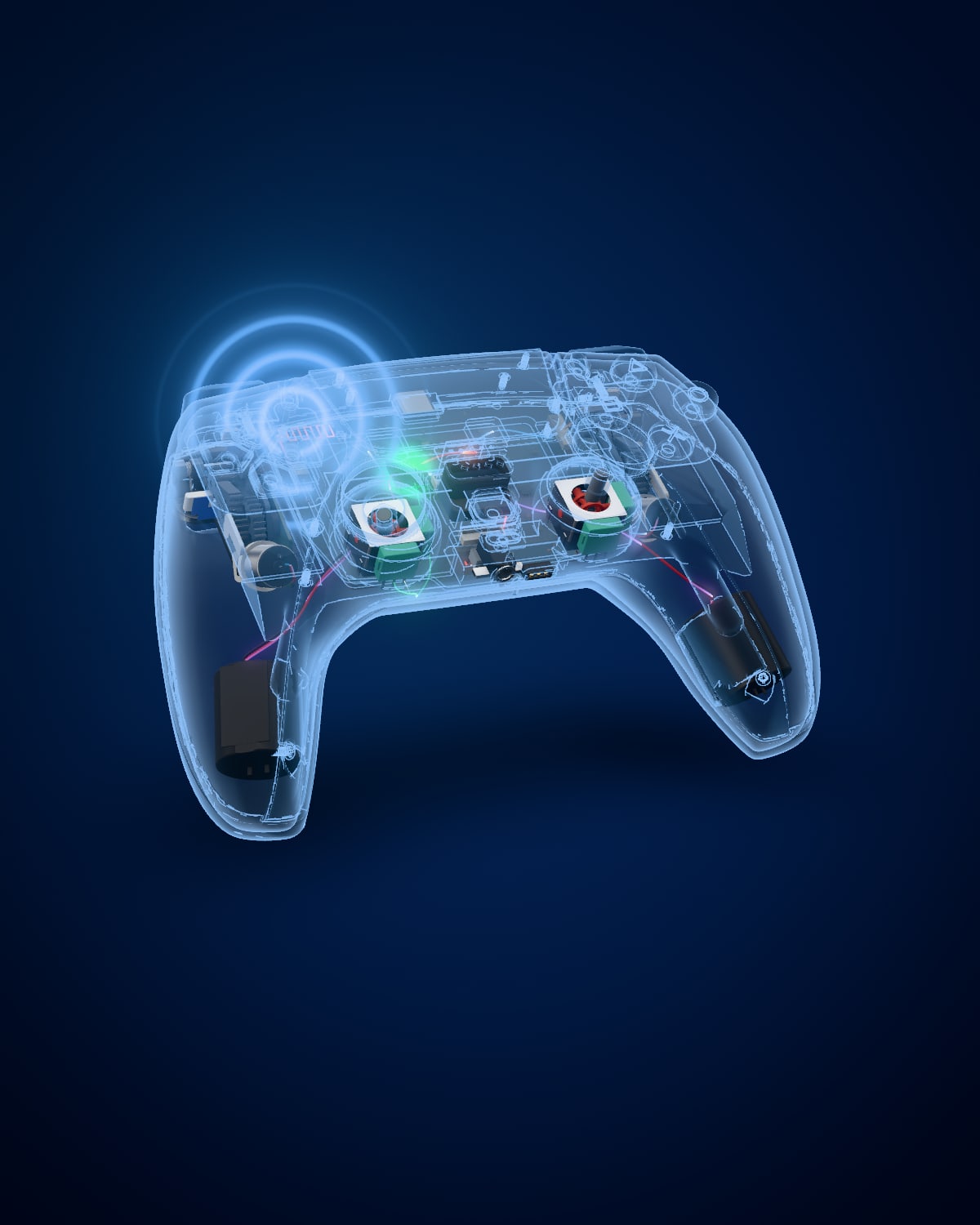
PS5 controller
How do PS5 adaptive triggers work, and what causes stick drift?See inside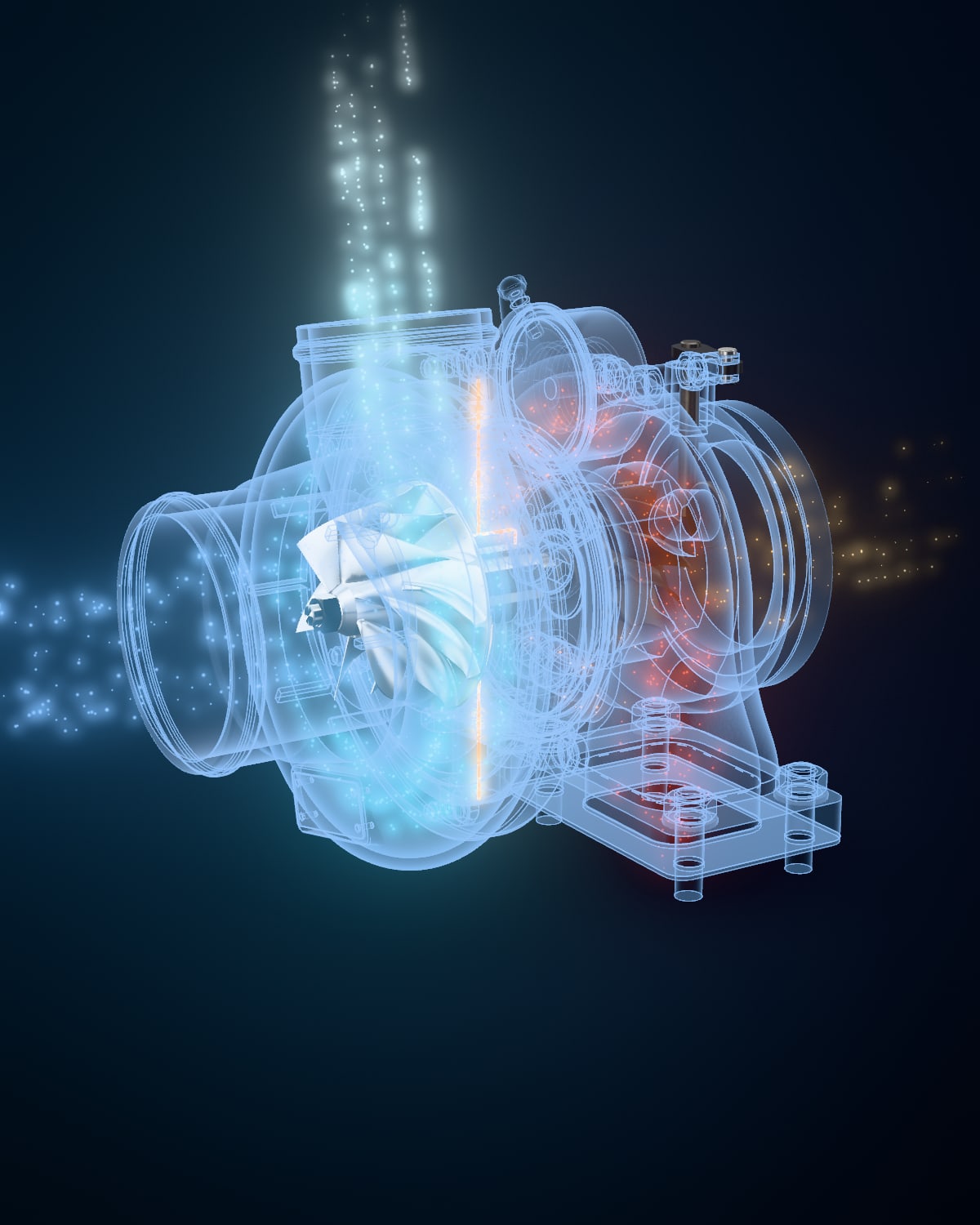
Turbocharger
How does a turbo work?See inside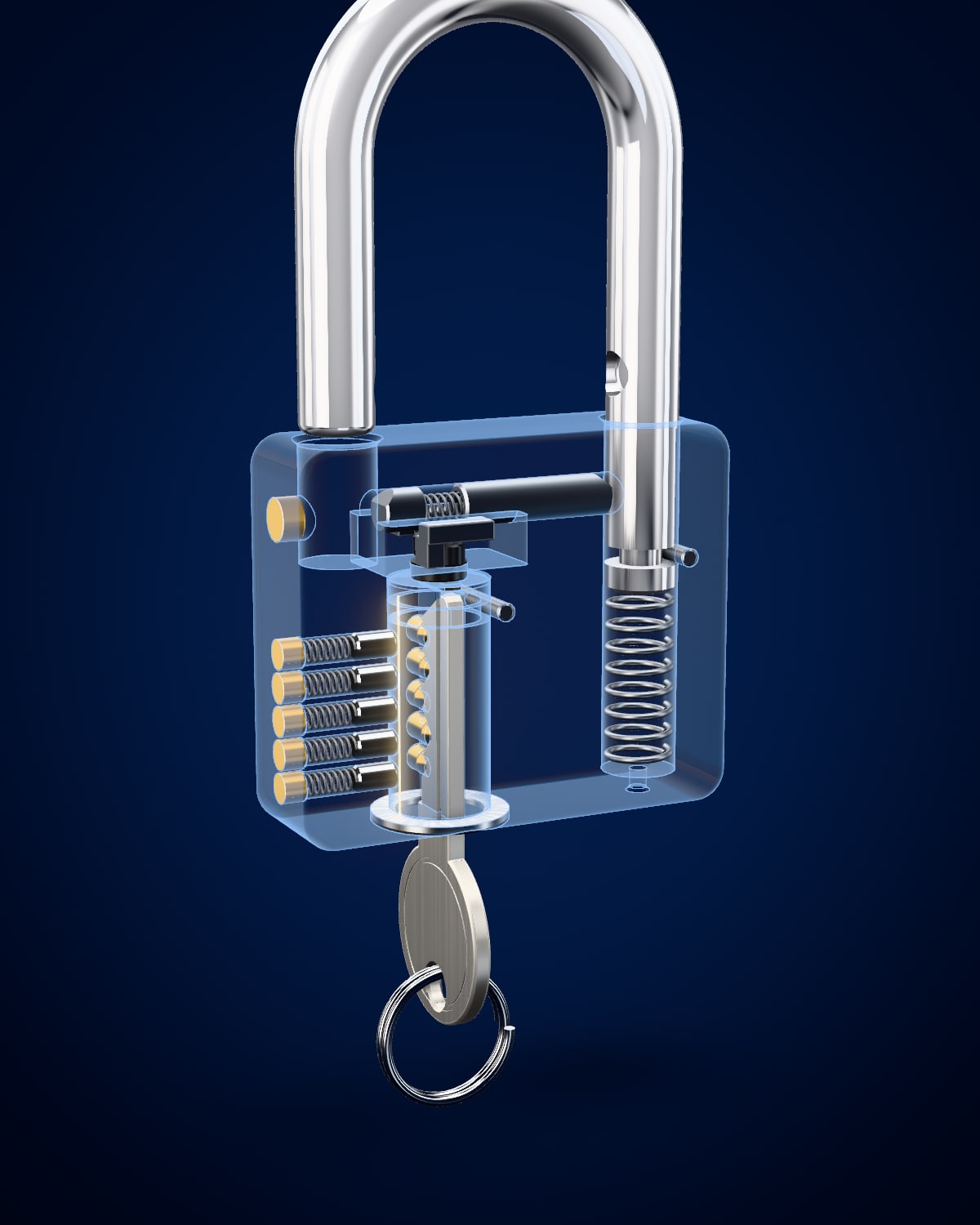
Brass padlock
How does a lock work?See inside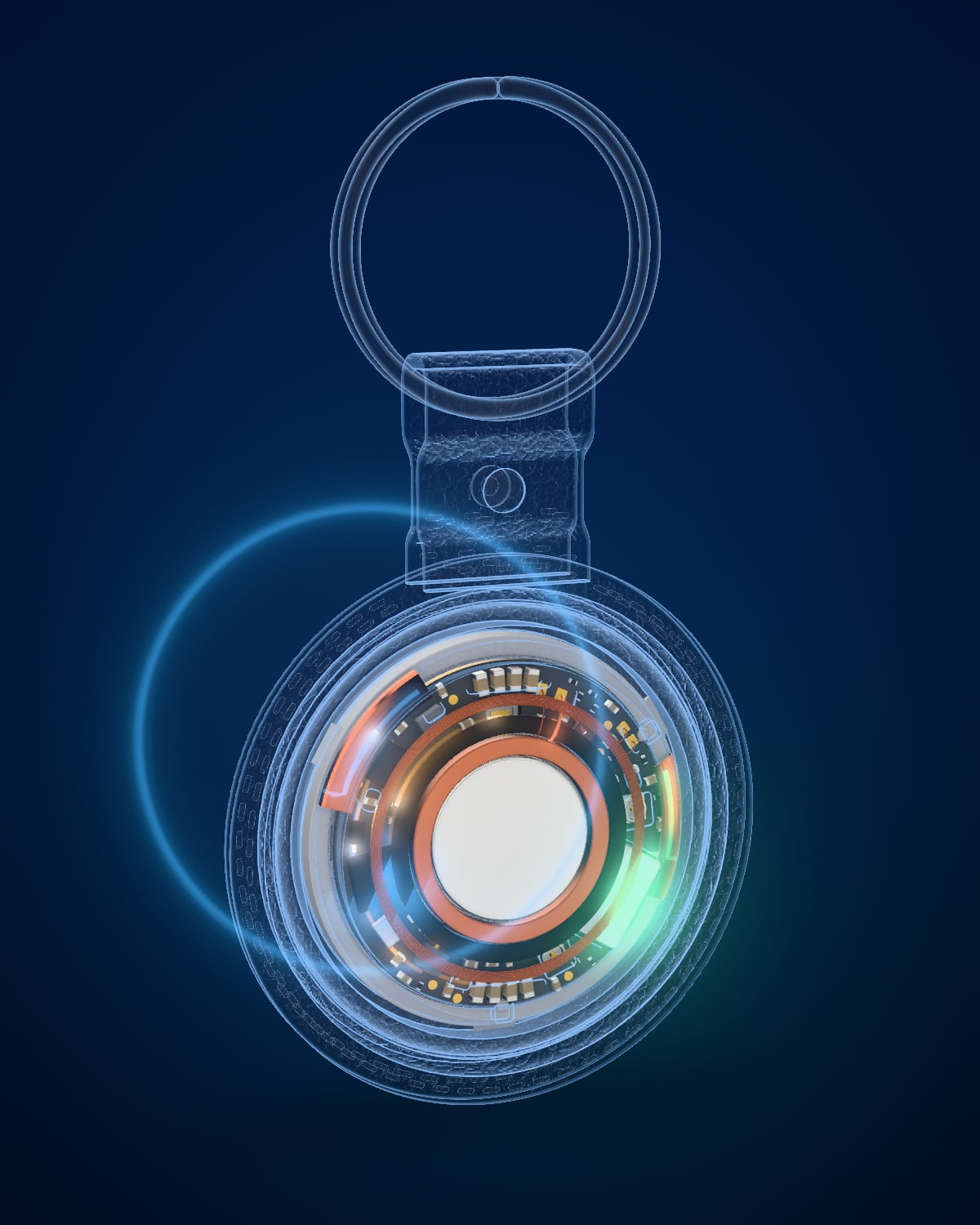
AirTag
How does an AirTag work?See inside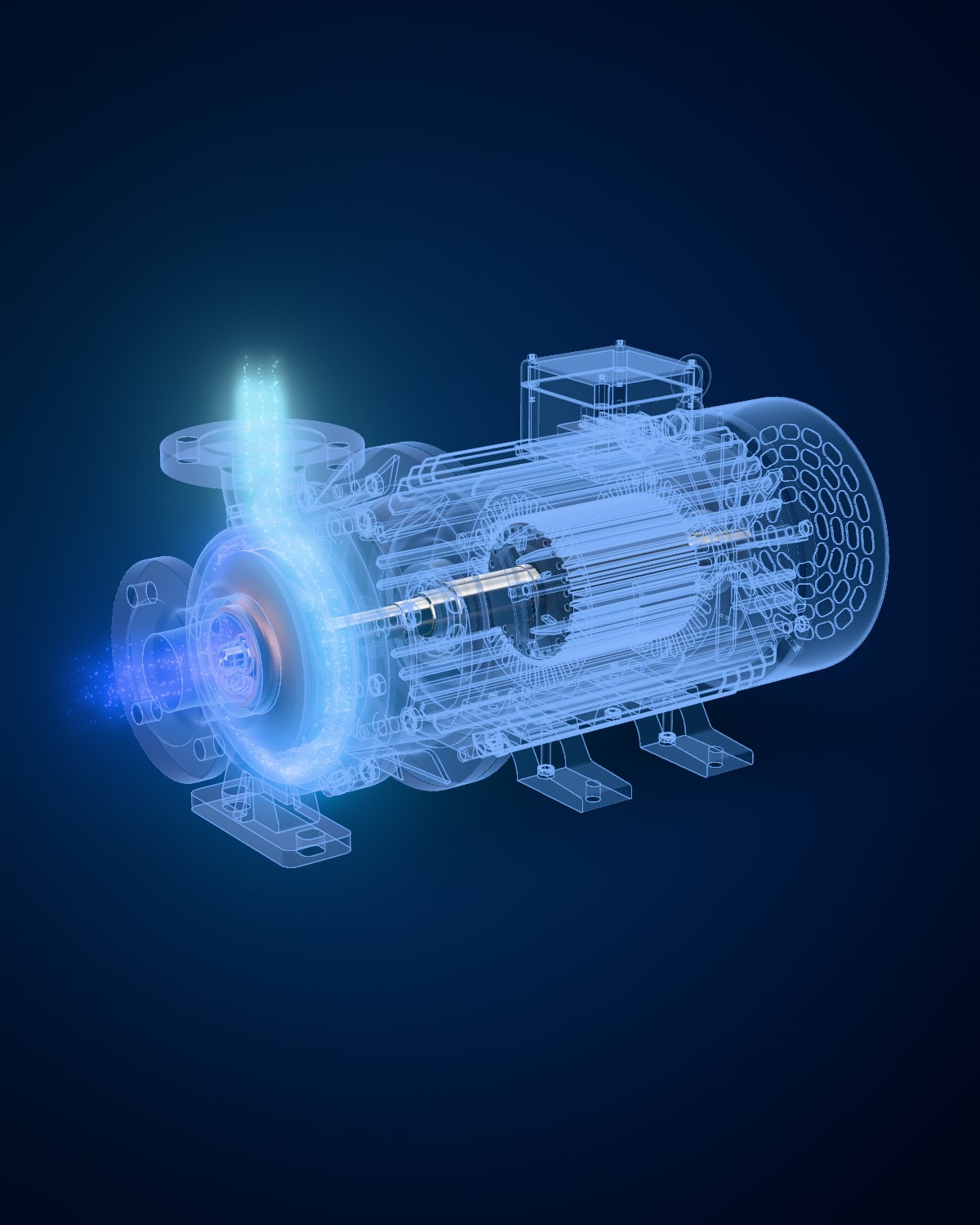
Centrifugal pump
How does a centrifugal water pump work?See inside- 8 products in 3D
All of See Inside
Every product, inside and outSee them all
Made with Creatimedia
This page runs on the 3D technology we use to build interactive product demos for manufacturers: built from CAD, running in any browser, on their own website.
Interactive 3D product demos